

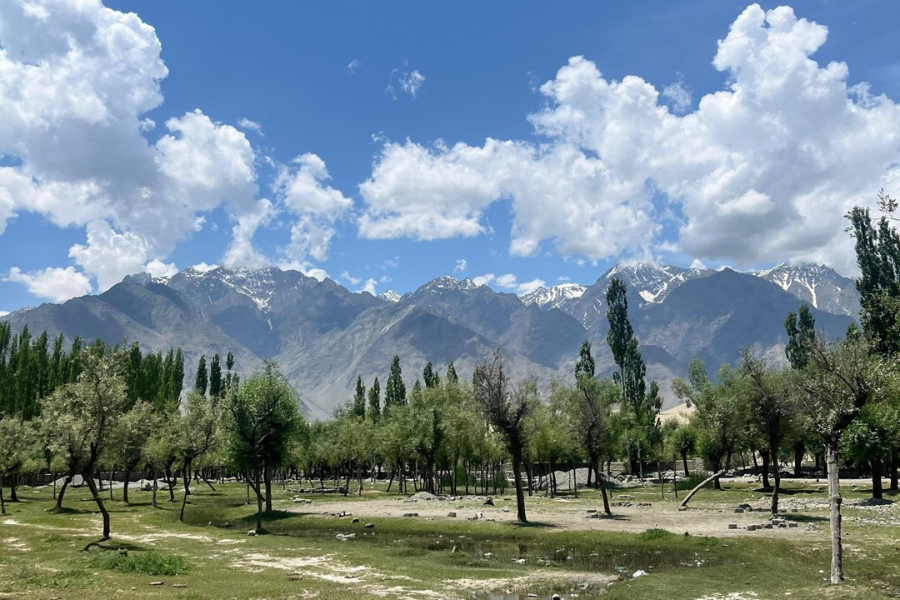
Skardu is the gateway to some of the highest mountains on Earth. A well-planned trip here depends on season, road and flight conditions, altitude, and realistic daily distances more than on the number of places you try to visit. This guide walks through the planning steps in the order they should be made.
1. Decide What Kind of Trip You Want
Define the experience before booking anything. Skardu can mean a relaxed lakeside holiday, a photography trip, a heritage tour of forts, a high-altitude plateau visit, or the starting point for a trek toward K2 Base Camp. Each needs a different number of days and level of fitness.
- Families usually do better with fewer hotel changes and shorter drives.
- Couples can mix sightseeing with slow days by the lakes.
- Adventure travelers need extra days for acclimatization, permits where required, and weather delays.
- Road-trip travelers must plan for long driving days on mountain roads.
Pro tip: Write one sentence describing the trip first. For example: “I want a six-day trip with lakes, one fort, one high-altitude day, and a spare day in case of weather.”
2. Choose the Best Time to Visit
Skardu is a seasonal destination, so your dates affect almost everything.
|
Season |
What to expect |
|
Spring (April to May) |
Apricot and cherry blossom in the valleys, cool days, some high routes still closed |
|
Summer (June to August) |
Most accessible season, Deosai open, busiest and most expensive |
|
Autumn (September to October) |
Golden foliage, clear skies, fewer crowds, colder nights |
|
Winter (November to March) |
Very cold, snow on routes, Deosai closed, limited services |
Deosai National Park is a high plateau that is usually accessible only in the warmer months, so check current road status before building your plan around it. Always check weather forecasts close to departure, because mountain conditions change quickly.
3. Decide How to Get to Skardu
There are two main options, and the choice shapes your whole schedule.
By air: Flights from Islamabad to Skardu are short and scenic, but mountain flights depend on weather. Delays and cancellations happen, so keep at least one buffer day at the start and end of the trip.
By road: The journey from Islamabad follows the Karakoram Highway and connects mountain roads. It is long, often split over two days with an overnight stop, and landslides or construction can add hours. Road travel lets you see more of the landscape but needs more time and energy.
Compare the total cost, not only the ticket price. A cheaper road trip can become more expensive once you add an extra hotel night and fuel, while a cancelled flight can cost you a day. For road trips, plan driving hours conservatively and avoid driving mountain roads at night.
4. Check Documents and Entry Requirements
- Pakistani travelers: Carry your original CNIC and a few photocopies for hotel check-ins and checkpoints.
- Foreign travelers: Check current visa rules, and verify whether any permit or registration is required for the areas you plan to visit. Rules for northern areas have changed over the years, so confirm with official government sources and your tour operator before booking.
- Keep copies of your passport or CNIC, hotel confirmations, tickets, and emergency contacts both on your phone and on paper.
5. Build a Realistic Budget
Total trip cost = transportation + accommodation + food + activities + local transport + fuel or driver + emergency buffer.
An illustrative example for a six-day trip for one traveler (the percentages are only an example, so use current prices for your own dates):
|
Expense |
Example share of budget |
|
Flights or road transport to Skardu |
25% |
|
Accommodation |
30% |
|
Local jeep or driver hire |
20% |
|
Food |
12% |
|
Entry fees and activities |
5% |
|
Emergency buffer |
8% |
Local transport is usually the surprise cost. Places like Deosai, Shigar, and Khaplu are best reached by a hired vehicle, and roads in the high areas often need a 4×4. Ask for the price per day, what it includes, and the fuel terms before you agree.
Carry enough cash. ATMs and card acceptance can be unreliable outside the main town.
6. Choose Where to Stay
Base yourself where the trip’s main activities are, rather than moving every night.
- Skardu town: Best for first and last nights, with the widest choice of services.
- Near the Kachura lakes: Good for scenery and quiet evenings.
- Shigar: Good for heritage and valley views.
- Khaplu: Good for a slower stay if you have extra days.
Check cancellation terms, heating (important outside summer), hot water, backup power, and whether breakfast is included. In peak season, book early.
Meechung Resort Skardu is one option for travelers looking for a comfortable base in the area.
7. Plan the Main Places to Visit
Group places by direction so you avoid backtracking.
Lakes and town area
- Upper Kachura Lake and Lower Kachura Lake: An easy day trip from Skardu.
- Satpara Lake: Close to town and good for a short outing.
Desert and viewpoints
- Cold Desert (Katpana): Sand dunes surrounded by mountains.
- Kharpocho Fort: Overlooks the town and the Indus River.
Heritage valleys
- Shigar Fort and Shigar Valley: Historic architecture and mountain views.
- Khaplu Fort and Khaplu Valley: Needs a longer day or an overnight stay.
High altitude
- Deosai National Park: A wide plateau at very high altitude, usually accessible in warmer months. Expect a long day with unpredictable weather.
8. Build a Sample Itinerary
A six-day plan that leaves room for weather:
|
Day |
Morning |
Afternoon |
Evening |
|
Day 1 |
Arrive in Skardu |
Rest, short walk in town |
Early dinner |
|
Day 2 |
Upper and Lower Kachura Lakes |
Satpara Lake |
Flexible |
|
Day 3 |
Drive toward Shigar |
Shigar Fort and valley |
Return to Skardu |
|
Day 4 |
Deosai National Park (warmer months) |
Plateau viewpoints |
Return and rest |
|
Day 5 |
Cold Desert and Kharpocho Fort |
Local market |
Flexible |
|
Day 6 |
Buffer for weather or flight |
Departure |
|
Pro tip: Keep one flexible day. A delayed flight or a closed road can otherwise disrupt the rest of the schedule.
9. Prepare for Altitude, Weather and Safety
Skardu sits at roughly 2,200 meters, and places like Deosai go much higher. Some travelers feel headaches, tiredness, or breathlessness.
- Rest on the first day and drink plenty of water.
- Avoid rushing into high-altitude trips right after arriving.
- Carry layers, because temperatures drop quickly even in summer.
- Pack sun protection, since UV is strong at altitude.
- Carry necessary personal medicines and a basic first-aid kit.
- Check road and weather conditions each morning with your hotel or driver.
- Do not drive mountain roads at night.
- If anyone feels seriously unwell at altitude, descend and seek medical help.
10. Plan Connectivity, Money and Packing
Connectivity: Mobile coverage can be limited, and not every network works in every valley. Download offline maps and share your itinerary with someone at home.
Money: Carry sufficient cash in small notes, especially for villages, jeeps, and small restaurants.
Packing list:
- Warm layers, a windproof jacket, and comfortable walking shoes
- Sunglasses, sunscreen, and a hat
- Power bank and charging cables
- Personal medications and first-aid items
- Copies of CNIC or passport
The Best Order for Making Bookings
- Choose your travel dates and season.
- Confirm your budget.
- Check document and entry requirements.
- Book flights or plan the road route.
- Book accommodation.
- Arrange a jeep or driver for the high-altitude trips.
- Save every confirmation in one folder.
Common Skardu Trip-Planning Mistakes
- Visiting without checking the season: Some routes are closed or snowbound in colder months.
- Trying to see too much: Distances look short on the map but take hours on mountain roads.
- Having no buffer day: Flight cancellations and road closures are common.
- Skipping altitude rest: Going high on day one can spoil the trip.
- Underestimating cash needs: Digital payments are not reliable everywhere.
- Hiring a vehicle without agreeing the price: Confirm the total cost and what it covers.
Complete Skardu Trip Checklist
- Choose season and travel dates
- Decide between flight and road travel
- Check CNIC, passport, and any permit requirements
- Set a total budget
- Book accommodation
- Arrange local transport
- Plan a buffer day
- Download offline maps
- Pack warm clothing and medicines
- Carry enough cash
- Share your itinerary with family or friends
- Check weather and road status before leaving
Frequently Asked Questions
What is the best month to visit Skardu? Late spring through early autumn is the most accessible period. Summer suits Deosai, while autumn offers colors and fewer crowds.
How many days are enough for Skardu? Five to seven days works for the main highlights. Add more if you plan to visit Khaplu or go trekking.
Should I fly or drive to Skardu? Flying saves time but depends on weather. Driving gives you more scenery but takes longer and needs a buffer for road delays.
Do I need a 4×4? For Deosai and some mountain roads, a suitable high-clearance vehicle with an experienced local driver is strongly recommended.
Is Skardu safe for tourists? Many travelers visit every year, but conditions can change, so check current travel advisories and local guidance before you go.
Final Takeaway
The best Skardu trip fits the season, keeps daily distances realistic, and leaves buffer days for weather. Choose your dates first, confirm how you will get there, plan your base, and keep the schedule flexible. A simple plan that respects altitude and mountain travel conditions will always work better than one that tries to cover everything.
Publish Your Article & Build Backlink Authority on Publcity
Looking to expand your digital reach, boost your search engine rankings, and secure high-authority backlinks? Publcity welcomes guest authors, brands, and SEO agencies to contribute premium articles. Get your content indexed, build domain authority, and tap into a global audience.
We accept original, do-follow contributions in Business, Marketing, Technology, Travel, and Culture.
Write for UsRead our Guest Posting Guidelines & Submit Your Draft Today!